

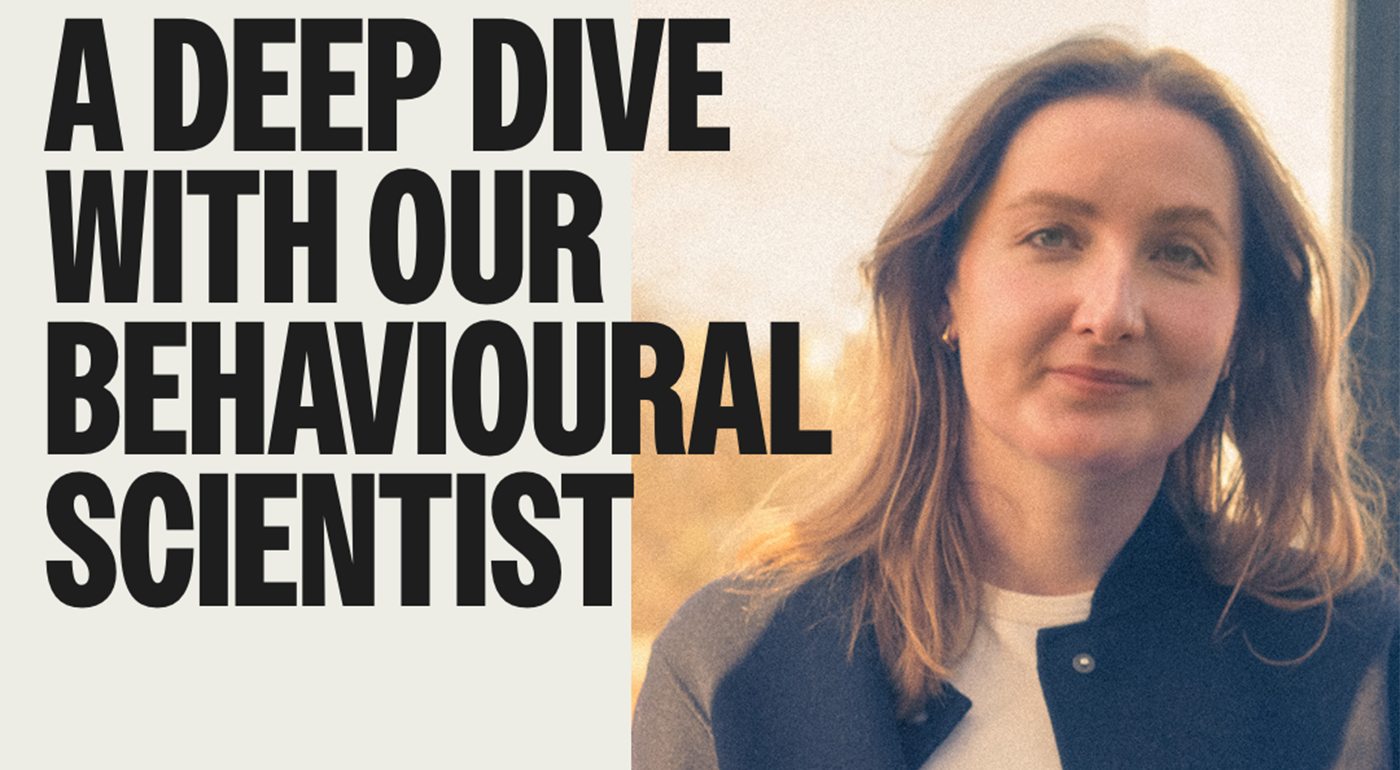
Opinion from Paulina Lang Head of Behavioural Science at Together Agency
IPM Member Agency Together explain how they use the COM-B Model to help inform brand strategy and creative. The process is part of a framework used to identify appropriate interventions linked to key drivers or barriers of behaviour.
Explaining how the abbreviations work within FMCG with the example of a healthy snack product, Paulina states; “we can begin by thinking about Capability; can the consumer physically open the snack? They need to ensure the packaging is easy to open to ensure it’s not a physical barrier.
The psychological capability would be to establish if they understand the health benefits of the snack? Is it made clear enough?
Next is Opportunity. Physical opportunity would be that the snack is easily available. Some food items are only available in certain countries, so if the consumer knows about the product but cannot access it; this would be a barrier. You want the product to be in local stores and prominently displayed. Social opportunities would involve promoting it as a healthy snack consumed by similar people; so the social media campaigns and the marketing of the product would look at the social influence and trends on behaviour, online endorsements and reviews.
Finally, we have Motivation. Reflective motivation around the product would establish if the customer consciously thinks and values the health and nutritional value of the product? Whereas automatic motivation is the emotional connection to the brand or just an impulsive buy. An example is that the package triggers positive emotions that influence the customer to pick the item up.
Combining all these factors together, we can design creative and strategy around breaking the most important barriers, and drive the consumers to pick this product.”
To find out more about how these fascinating methods inform strategies you can access the full interview here